Fabric & Textile Sourcing in Vietnam: The Complete Guide for 2026
How to find reliable textile mills, negotiate fabric pricing, and manage quality from yarn to finished roll — based on real sourcing experience on the ground in Vietnam.
Vietnam is the world's third-largest textile and garment exporter, behind only China and Bangladesh. The Vietnam textile industry generated over USD 44 billion in export revenue in 2024, and that figure continues to climb as global brands diversify their supply chains away from China.
But fabric sourcing in Vietnam is fundamentally different from sourcing finished garments. You are dealing with fabric mills, not garment factories. The variables are fibre composition, GSM, dyeing consistency, and finishing specifications, not cut-and-sew production. The quality risks are different, the MOQs are different, and the supplier landscape requires a different kind of navigation.
This guide covers the practical detail that international buyers need: how to find Vietnam fabric manufacturers, where the textile factories are, what pricing looks like, how to manage quality, and the specific challenges you should plan for. It is written by the Vietnam Business Networking team based on real sourcing work, not desktop research.
Why Vietnam for Fabric & Textiles?
The Vietnam textile industry has grown rapidly over the past decade, driven by foreign direct investment, preferential trade agreements, and a young, trainable workforce. Today, Vietnam textile manufacturers supply fabric to some of the world's largest apparel brands. Several factors make it a compelling alternative to traditional textile sourcing hubs.
| Factor | Vietnam | China | Bangladesh |
|---|---|---|---|
| Labour cost | USD 2–4/hour | USD 5–8/hour | USD 0.50–1.50/hour |
| Trade agreements | CPTPP, EVFTA, RCEP | RCEP | GSP in EU/UK |
| Fabric diversity | Good and growing | Excellent, widest range | Limited, cotton-focused |
| Sustainability certifications | Growing rapidly | Well established | Improving |
| Infrastructure | Good, improving | Excellent | Developing |
The EU-Vietnam Free Trade Agreement (EVFTA) is particularly significant for textile buyers. It eliminates or reduces tariffs on Vietnamese textiles exported to the EU, provided the fabric meets rules-of-origin requirements. The CPTPP offers similar benefits for exports to Canada, Japan, Australia, Mexico, and other member countries.
For buyers currently sourcing from China, the tariff differential alone can justify the switch. For those sourcing from Bangladesh, Vietnam fabric suppliers offer a step up in fabric diversity and quality consistency, particularly for synthetic and blended textiles, while remaining cost-competitive for many product categories.
Types of Fabrics Available in Vietnam
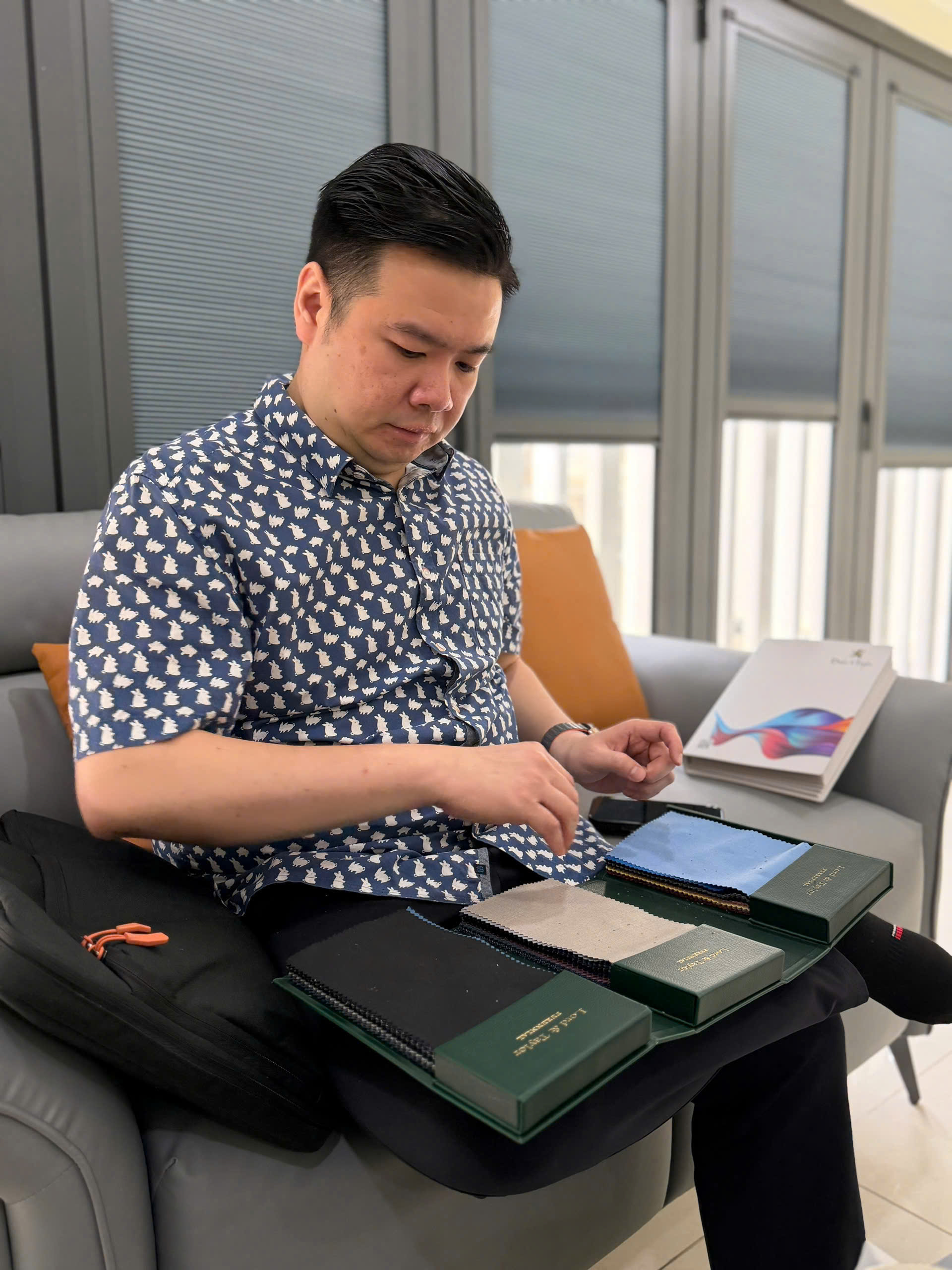
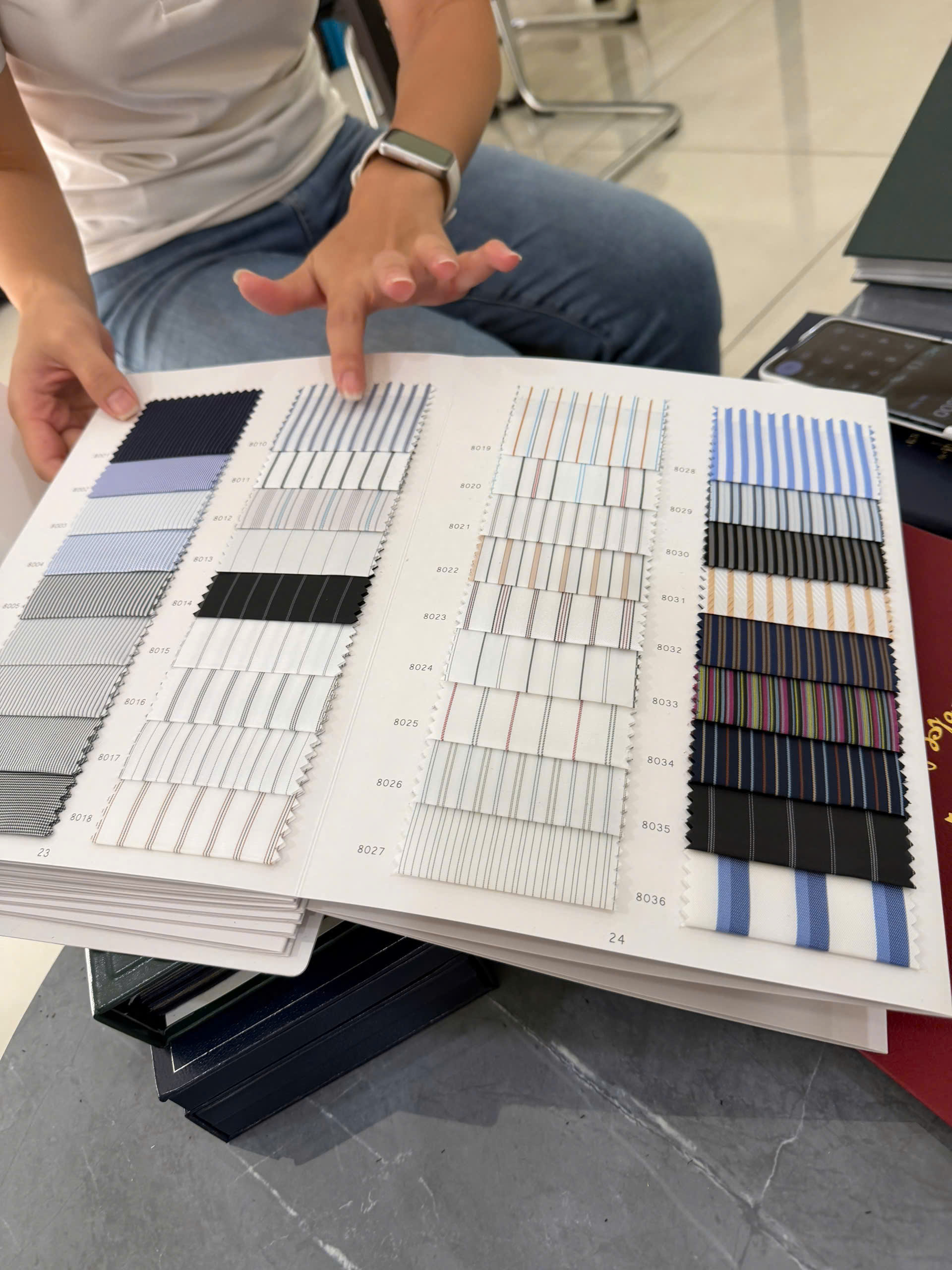
Vietnam fabric manufacturers produce a broad range of textiles. The country's strength has historically been in woven cotton fabric and basic synthetics, but capacity has expanded significantly into knits, technical fabrics, and blended textiles.
| Fabric Category | Common Types | Typical Use | Vietnam Strength |
|---|---|---|---|
| Cotton | Poplin, twill, canvas, jersey, fleece | Casual wear, workwear, home textiles | Strong |
| Polyester | Taffeta, pongee, microfiber, interlock | Sportswear, lining, bags, outdoor gear | Strong |
| Cotton-poly blends | TC, CVC, jersey blends | T-shirts, polo shirts, uniforms | Very strong |
| Nylon | Ripstop, taslan, cordura-type | Outerwear, bags, military/tactical | Moderate |
| Silk | Charmeuse, habotai, dupioni | Fashion, scarves, home decor | Niche but established |
| Linen & bamboo | Pure linen, linen blends, bamboo viscose | Premium fashion, sustainable brands | Growing |
| Technical & performance | Moisture-wicking, UV-protective, stretch | Activewear, outdoor, medical | Developing |
| Denim | Ring-spun, open-end, stretch denim | Jeans, jackets, fashion | Moderate, growing |
Vietnam's sweet spot is mid-range to high-quality cotton fabric, polyester, and blended fabrics for the apparel market. Vietnam silk fabric is another established category, with charmeuse and habotai from traditional production bases around Hanoi. Vietnam linen is a growing segment, driven by demand from sustainable fashion brands.
For highly technical fabrics like waterproof-breathable membranes, advanced four-way stretch, or specialised industrial textiles, China, Taiwan, and South Korea still lead. However, several textile factories in Vietnam are investing in technical capabilities, and the gap is narrowing, particularly in the sportswear and outdoor segments where major brands like Nike and Adidas have driven demand.
Key Textile Regions in Vietnam
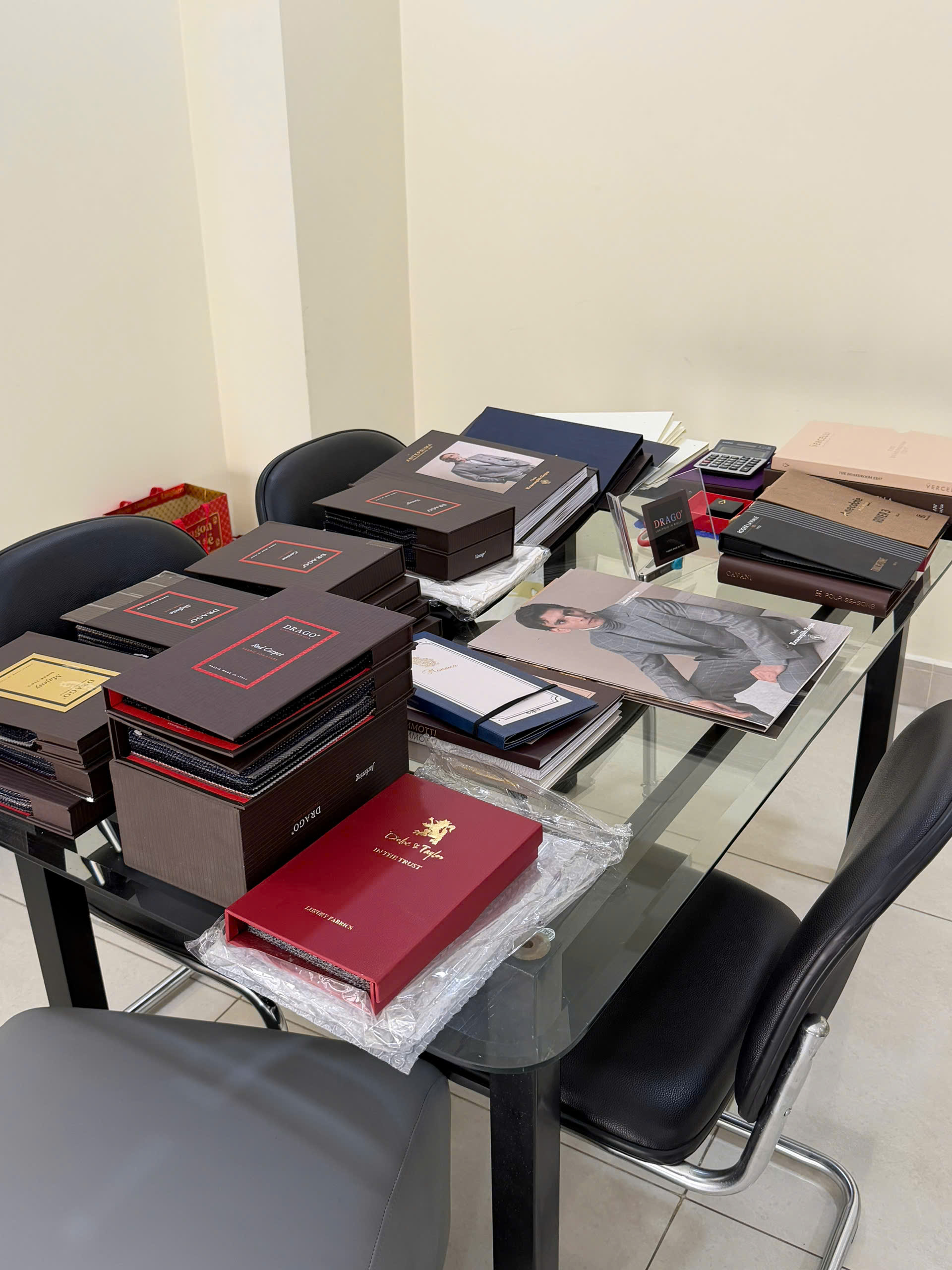
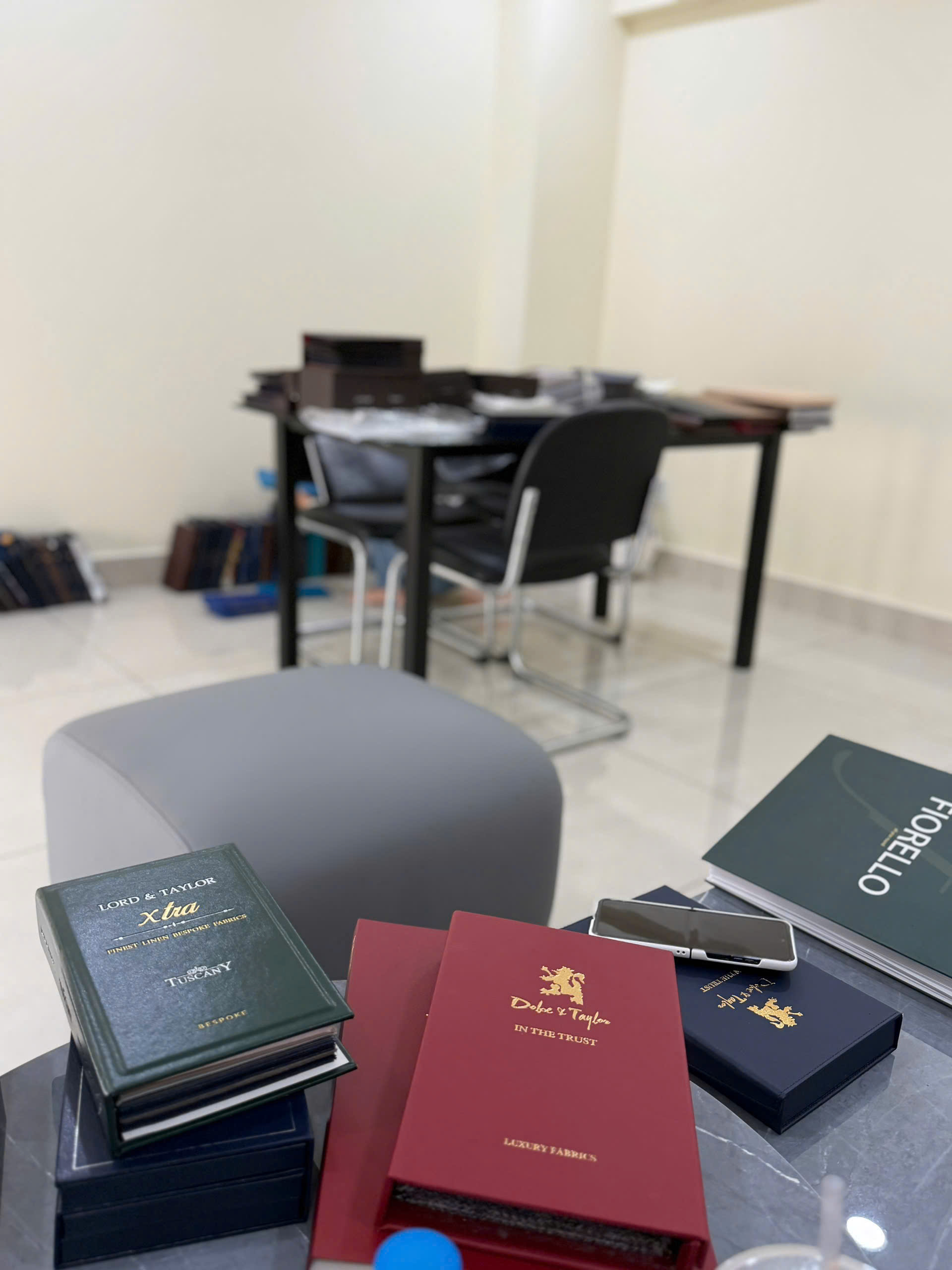
The Vietnam fabric market is concentrated in several regions, each with distinct characteristics that matter for sourcing decisions. Knowing where the major textile companies in Vietnam are located helps you target the right fabric mill for your product.
| Region | Textile Strengths | Key Details |
|---|---|---|
| Ho Chi Minh City & Binh Duong | Woven and knit fabrics, dyeing and finishing, garment-grade textiles | Largest concentration of mills. Strongest dyeing and finishing infrastructure. Best logistics access via Cat Lai and Cai Mep ports. |
| Dong Nai & Long An | Synthetic fabrics, industrial textiles, yarn spinning | Growing industrial zone with newer facilities. Several FDI-backed mills from Taiwan and South Korea. |
| Nam Dinh & Thai Binh (Northern Vietnam) | Cotton weaving, traditional textiles, silk | Historical textile centre. Lower costs but older equipment in some mills. Strong in cotton and cotton-blended weaving. |
| Hanoi & surrounds | Silk, artisan textiles, technical knits | Vietnam's traditional silk production base (Van Phuc village). Growing technical textile capacity near Hanoi industrial zones. |
| Da Nang & Central Vietnam | Cotton, basic synthetics | Smaller textile cluster with lower operating costs. Less developed logistics infrastructure than the south. |
For most international buyers, the Ho Chi Minh City and Binh Duong corridor offers the best combination of fabric mill diversity, finishing capability, and export infrastructure. If you are sourcing fabric that requires specific dyeing or finishing treatments, this region has the most advanced facilities.
Northern Vietnam is worth considering for cotton fabric orders where cost sensitivity is high, and for Vietnam silk sourcing where the traditional production base offers both quality and competitive pricing.
The Fabric Sourcing Process: Step by Step
Sourcing fabric follows a different sequence from sourcing finished products. The emphasis is on technical specification, colour matching, and consistency across production runs. Here is the step-by-step process.
- 1
Define Fabric Specifications
Provide detailed specs including fibre composition, weight (GSM), width, weave or knit structure, colour references (Pantone or physical swatch), finish requirements, and any certification needs. The more precise your brief, the faster mills can quote accurately.
- 2
Mill Shortlisting
Your sourcing agent identifies three to five mills with the right equipment, capacity, and track record for your fabric type. This shortlist is based on verified factory visits, not online directories.
- 3
Lab Dip and Strike-Off Samples
Selected mills produce lab dips for colour matching and strike-offs for construction verification. Expect one to three rounds of lab dips before colour approval. This stage is critical — do not rush it.
- 4
Bulk Sample and Testing
Once lab dips are approved, the mill produces a bulk sample length (typically 50 to 100 metres) for you to test construction, hand feel, shrinkage, and colourfastness before committing to a full production run.
- 5
Price Negotiation and Order Confirmation
With approved samples in hand, negotiate final pricing, payment terms, delivery schedule, and quality tolerances. All terms should be documented in a written purchase order or contract.
- 6
Production and Inspection
During bulk production, on-site inspections check shade consistency across rolls, GSM accuracy, defect rates, and roll length compliance. Fabric inspection is typically done using the four-point system.
- 7
Shipping and Documentation
Coordinate packing, export documentation, and freight. Fabric shipments require careful packing to prevent moisture damage, creasing, and colour transfer during transit. Ensure certificates of origin align with your target market trade agreements.
From initial specification to first bulk shipment, fabric sourcing in Vietnam typically takes three to four months. Reorders from an established mill can be completed in four to six weeks.
Fabric Pricing & Minimum Order Quantities
Pricing for Vietnamese fabric varies significantly by fibre type, construction, weight, finish, and order volume. The following table provides indicative ranges for common fabric categories.
| Fabric Type | Price Range (USD/metre) | Typical MOQ (metres) |
|---|---|---|
| Cotton jersey (160–200 GSM) | $1.50–$3.00 | 1,000–3,000 |
| Cotton poplin/twill | $1.80–$3.50 | 2,000–5,000 |
| Polyester taffeta/pongee | $0.60–$1.50 | 3,000–5,000 |
| Cotton-poly blend (TC/CVC) | $1.20–$2.80 | 1,500–3,000 |
| Nylon ripstop/taslan | $1.80–$4.00 | 2,000–5,000 |
| Silk charmeuse | $6.00–$15.00 | 300–1,000 |
| Denim (10–14 oz) | $2.00–$5.00 | 2,000–5,000 |
| Technical/performance knit | $3.00–$7.00 | 1,000–3,000 |
These prices are for bulk orders and include dyeing and basic finishing. Prices will be higher for small quantities, special finishes (water-repellent, anti-microbial, brushed, etc.), or certified organic and recycled materials.
MOQs are per colour, not per total order. If you need a fabric in five colours, multiply the per-colour MOQ by five to understand your total commitment. Some mills offer lower MOQs for a price premium of 10 to 20 percent, which can be worthwhile for sampling or small initial orders.
Can't meet the minimum order quantity?
No worries. We work directly with our factory partners to negotiate flexible arrangements for smaller orders. Reach out and we will find a solution that works for you and the mill.
Talk to UsQuality Control & Certifications
Fabric quality control is more technical than finished product inspection. The key parameters you need to monitor during production are different from what you would check on a garment or a piece of furniture.
- Shade consistency (Delta E)
Colour variation between rolls and between batches is the single most common quality issue. Specify an acceptable Delta E tolerance in your purchase order, typically 0.8 to 1.0 for critical colour matches.
- Weight (GSM) accuracy
Fabric weight directly affects product quality and cost. Industry standard is plus or minus 5 percent of the specified GSM. Test multiple points across the roll width, not just the selvedge.
- Shrinkage and dimensional stability
Test shrinkage after washing at the temperature your end product will be laundered at. Acceptable shrinkage is typically under 3 percent for woven and under 5 percent for knit fabrics.
- Colourfastness
Test for colourfastness to washing, rubbing (wet and dry), and light exposure. A minimum rating of 4 on the grey scale is standard for apparel fabrics.
- Defect inspection (four-point system)
The four-point system is the industry standard for fabric inspection. Defects are scored from 1 to 4 points based on size. An acceptable roll typically has no more than 28 points per 100 linear metres.
Key Certifications for Vietnamese Textile Mills
The certifications you need depend on your end market and customer requirements. Here are the most relevant ones for fabric sourcing in Vietnam.
| Certification | What It Covers | Why It Matters |
|---|---|---|
| OEKO-TEX Standard 100 | Tested for harmful substances | Required by many EU and US retailers. Covers chemical safety. |
| GOTS | Global Organic Textile Standard | Required for organic cotton claims. Covers entire supply chain. |
| GRS | Global Recycled Standard | Required for recycled content claims. Increasingly demanded by sustainable brands. |
| ISO 9001 | Quality management system | Indicates the mill has systematic quality processes in place. |
| BSCI / WRAP | Social compliance | Covers labour standards, working conditions, and ethical production. |
Challenges to Expect When Sourcing Textiles from Vietnam
Vietnam is a strong textile sourcing market, but it is not without challenges. Understanding these upfront helps you plan around them rather than being caught off guard.
- Shade consistency across batches
Colour matching between lab dips and bulk production is one of the most common quality issues. Insist on production-lot lab dips, not just pre-production approvals. Specify acceptable Delta E tolerances in your purchase order.
- Raw material dependency on imports
Vietnam imports a significant portion of its raw cotton, synthetic fibres, and chemical dyes, primarily from China, India, and South Korea. This creates exposure to upstream supply chain disruptions and currency fluctuations.
- Limited capacity in specialty fabrics
While Vietnam excels at basic cotton, polyester, and blended fabrics, capacity for highly technical textiles like waterproof membranes, advanced stretch fabrics, and specialised industrial textiles is still developing compared to China, Taiwan, or South Korea.
- Language and communication gaps
Most mill floor supervisors and technical staff communicate in Vietnamese. Specifications involving complex finishing, chemical treatments, or performance requirements need to be translated precisely. A sourcing agent with textile expertise bridges this gap.
- Peak season capacity constraints
Vietnamese textile mills operate at near-full capacity from September through January as international brands place orders for spring and summer collections. Plan your production calendar early to secure capacity during peak periods.
How We Help with Fabric & Textile Sourcing
Our approach to textile sourcing builds on the same model we use across all sourcing categories: on-the-ground relationships, verified contacts, and a focus on building your own direct supplier connections rather than keeping you dependent on an intermediary.
Our co-founder Chee Wee has spent over three years living and operating in Vietnam, building a vetted network of 500+ contacts that includes textile mills, dyeing and finishing houses, garment manufacturers, and logistics providers. When you source fabric through our network, you benefit from relationships that took years to build.
We can help with textile sourcing in several ways:
- Mill introductions
Warm introductions to verified textile mills that match your fabric type, volume, and quality requirements. No cold outreach or Alibaba guesswork.
- Factory visits on our business expansion tours
Visit textile mills in person as part of our structured four-day Vietnam business expansion tours. See production lines, meet mill owners, and evaluate quality with your own eyes.
- Post-tour sourcing support
After your visit, we provide ongoing guidance on negotiation, contracting, quality benchmarks, and logistics coordination as you place your first fabric orders.
For a broader overview of how our sourcing support works, see our Vietnam Sourcing Agent guide.
Frequently Asked Questions About Fabric Sourcing in Vietnam
What types of fabric can I source from Vietnam?
Vietnam fabric manufacturers produce a wide range including cotton fabric, polyester, nylon, silk fabric, linen, bamboo, rayon, and blended textiles. The country also has growing capacity in technical and performance fabrics for sportswear and outdoor apparel.
What are the typical MOQs for fabric orders from Vietnam?
MOQs vary by fabric type and fabric mill size. Large Vietnam textile manufacturers typically require 3,000 to 5,000 metres per colour per order. Smaller mills and weavers may accept 500 to 1,000 metres. For greige (unfinished) fabric, MOQs tend to be lower than for dyed and finished goods.
How does Vietnamese fabric pricing compare to China?
Vietnamese fabric is generally 10 to 20 percent cheaper than comparable Chinese fabric for basic weaves and knits. The gap narrows for specialised or technical fabrics where China has more established supply chains. Vietnam also benefits from preferential tariff rates under CPTPP and EVFTA.
Can Vietnamese mills produce organic or sustainably certified fabrics?
Yes. A growing number of Vietnamese mills hold GOTS (Global Organic Textile Standard), OEKO-TEX, and GRS (Global Recycled Standard) certifications. Availability is strongest around Ho Chi Minh City and Binh Duong, where international brands have driven demand for certified production.
What is the typical lead time for fabric production in Vietnam?
Standard lead times are four to eight weeks for greige fabric and six to ten weeks for dyed and finished fabric. Sampling typically takes two to three weeks. Lead times can extend during peak season from September to January.
Do I need a sourcing agent to buy fabric from Vietnam?
It is not strictly required, but strongly recommended for first-time buyers. Most textile factories in Vietnam conduct business in Vietnamese, and quality standards, dyeing consistency, and finishing specifications require on-the-ground verification that is difficult to manage remotely.
What certifications should I look for in a Vietnam textile factory?
Key certifications include ISO 9001 for quality management, OEKO-TEX Standard 100 for chemical safety, GOTS for organic textiles, GRS for recycled content, and BSCI or WRAP for social compliance. The specific certifications you need depend on your end market and customer requirements.
Can I source both fabric and finished garments from the same supplier in Vietnam?
Some vertically integrated manufacturers offer both fabric production and garment manufacturing. However, most Vietnamese textile operations specialise in either fabric milling or garment construction, not both. Your sourcing agent can help you find mills and CMT factories that work well together.
Ready to Source Fabric from Vietnam?

500+ vetted contacts · 3+ years on the ground · We respond within working hours